What makes your pickleball club different from the one down the road? It might be the quality of your courts, the programs you offer, or the tournaments you host. While those details matter, they can also be replicated by other clubs.
What is harder to replicate is your club’s identity: how people feel when they walk on the court, what members expect from one another, and what your club becomes known for in the local pickleball community.
That identity comes from the culture you create and reinforce over time. So, how do you define that culture and intentionally build it into the experience you provide? Let’s take a look.
Start With What You Want to Be Known For
First, think about the experience you want your club to provide. Is your club highly competitive? Social and welcoming? Focused on player development? Family-friendly? Tournament-oriented? A place where beginners can comfortably learn the game?

Your club can offer all of these things, but it helps to identify the characteristics that matter most.
Ask your team:
- What do we want members to say about us to their friends?
- What should a new player experience during their first visit?
- What behaviors do we want to encourage?
- What do we never want to lose as we grow?
The answers start to define your club identity.
Culture Is More Than a Mission Statement
A club can put “community” on its website and still feel intimidating to a new player. Culture shows up in the details.
It is how staff welcome new members, whether experienced players invite newer players into games, how your club handles disagreements, and even the tone of your announcements and emails. Most importantly, it is whether members feel like they belong.
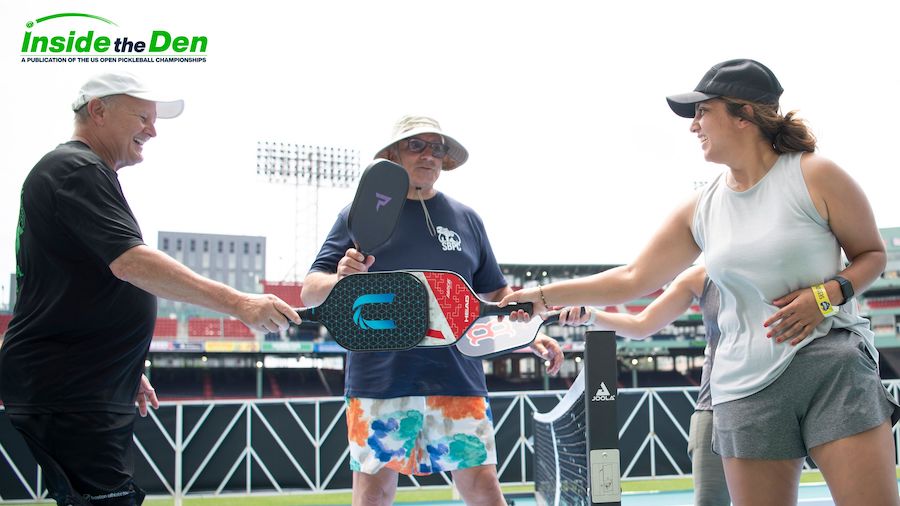
If you want your club to be known as welcoming, make that part of your programming and day-to-day operations. Offer beginner-friendly open play, provide clear information for first-time visitors, and encourage experienced players to help newer players learn the game.
Small decisions like these reinforce the identity you want to build.
Turn Your Identity Into Action
Once you have identified a few defining characteristics, consider how they should influence the way your club operates.
If your club wants to be known for competitive play and player development, that identity should influence your leagues, open play structure, coaching opportunities, tournaments, and communications.
If your club wants to be known for community and fun, your programming might include social events, mixed-skill opportunities, team activities, and ways for members to meet outside of competitive play as a bigger part of the experience.
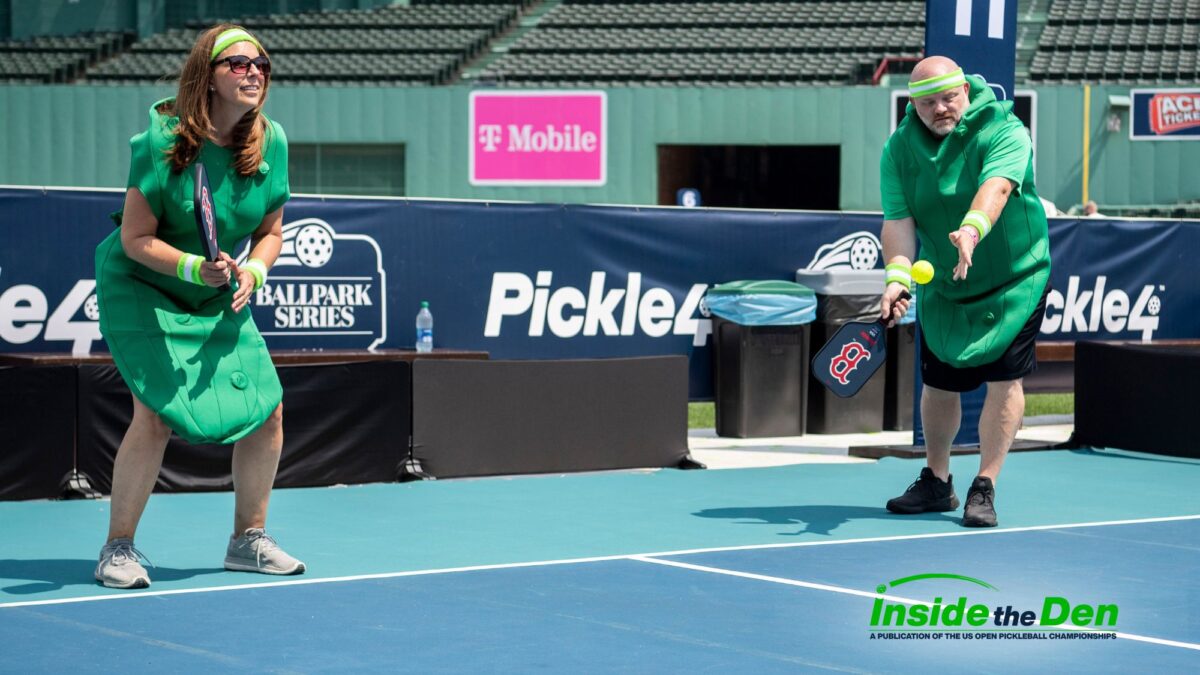
The important thing is that your programming, communication, and member experience align with your club identity.
Your Brand Should Reflect the Experience
Once you know what your club stands for, your brand can reinforce it. Think about the difference between a club that presents itself as a serious competitive destination and one that positions itself as the neighborhood gathering place for pickleball. The branding may look very different, even if both clubs have similar courts and programming.
Your brand does not have to be complicated. Consistency is often more important than complexity. Use the same basic visual identity across all of your platforms and develop a recognizable tone of voice. The goal is for members to recognize your club and know what to expect before they even arrive.
Let Your Members Help Shape It
Pay attention to what members value and what keeps them coming back. Ask for feedback. Talk to new players and long-time members. Look at which programs fill quickly and which ones struggle. Notice what members talk about when they describe the club to other people.
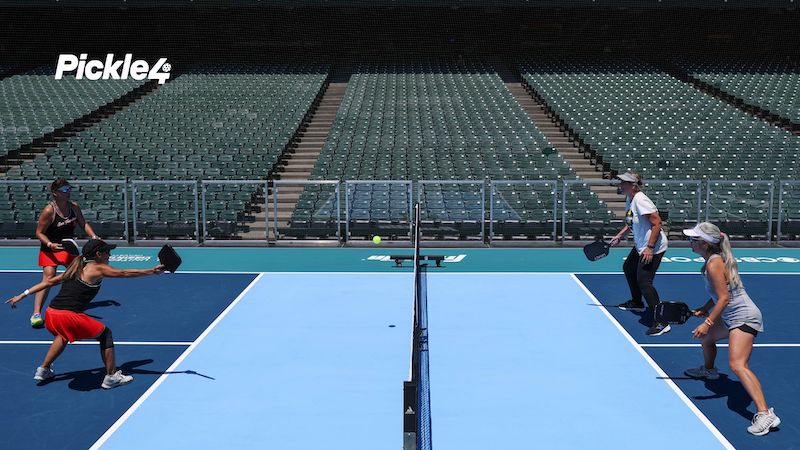
You may discover that your club is already known for something you did not intentionally create, and that is useful information.
As your club grows, revisit your identity periodically. Your programming, membership, and goals may change, but having a clear understanding of what you want your club to be known for can help you make better decisions along the way.
The strongest club identities are built through hundreds of small choices. Decide what you want those choices to say about your club, then make sure the experience backs it up.