For a long time, pickleball’s growth story was about getting more people to play. Introduce a friend. Try a beginner clinic. Build more awareness. Get new players onto the courts. Now, the sport has reached a point where the challenge in many communities isn’t convincing people to play pickleball, but finding enough places for all those people to play.
The question is increasingly becoming: Where are all these players going to play?
The Demand Is Already There
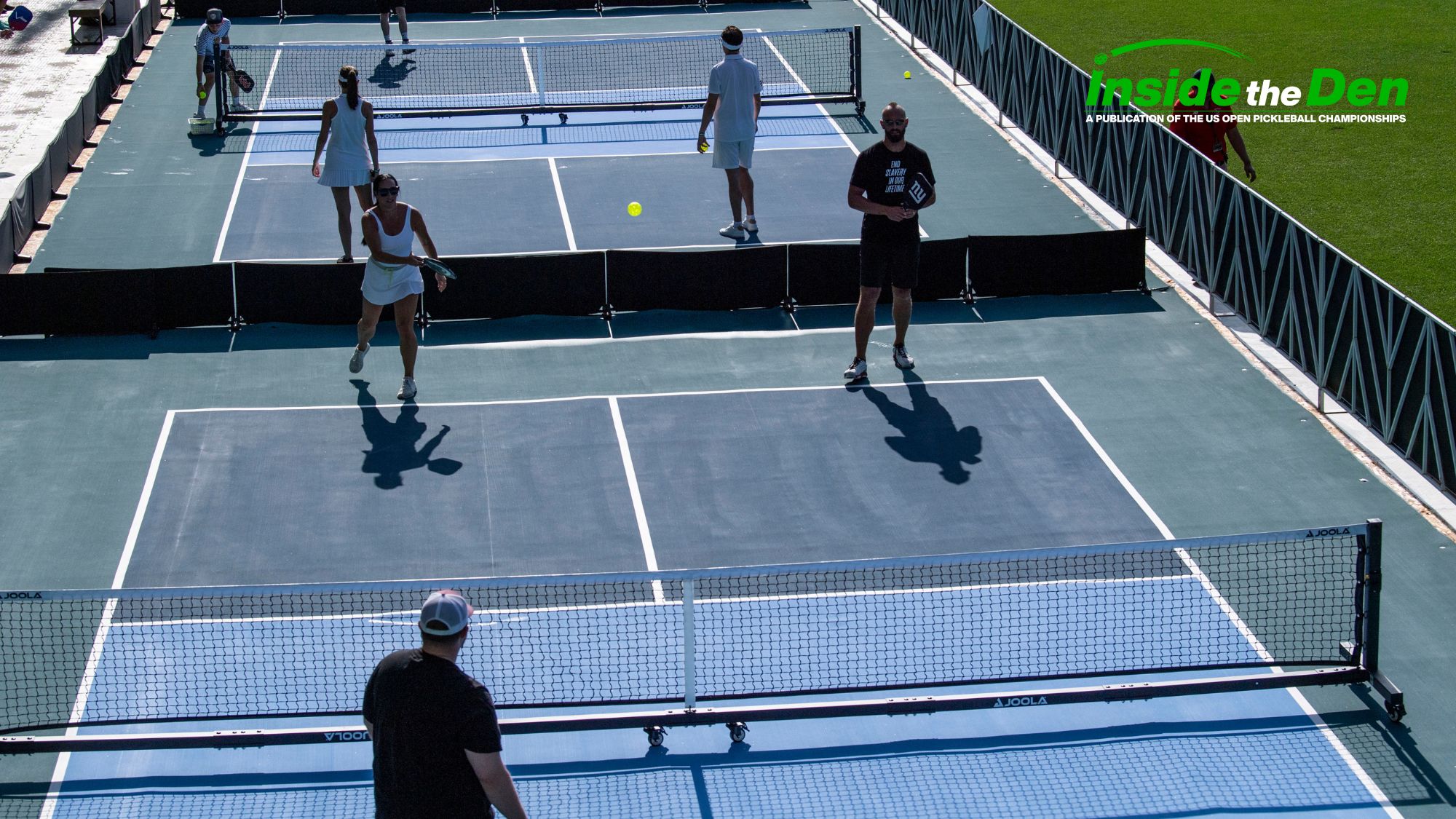
Walk into a busy pickleball facility on a weeknight, and the challenge is clear: courts are full, open play fills up, and leagues have waitlists. Players who want to play more often may find themselves competing for limited court time.
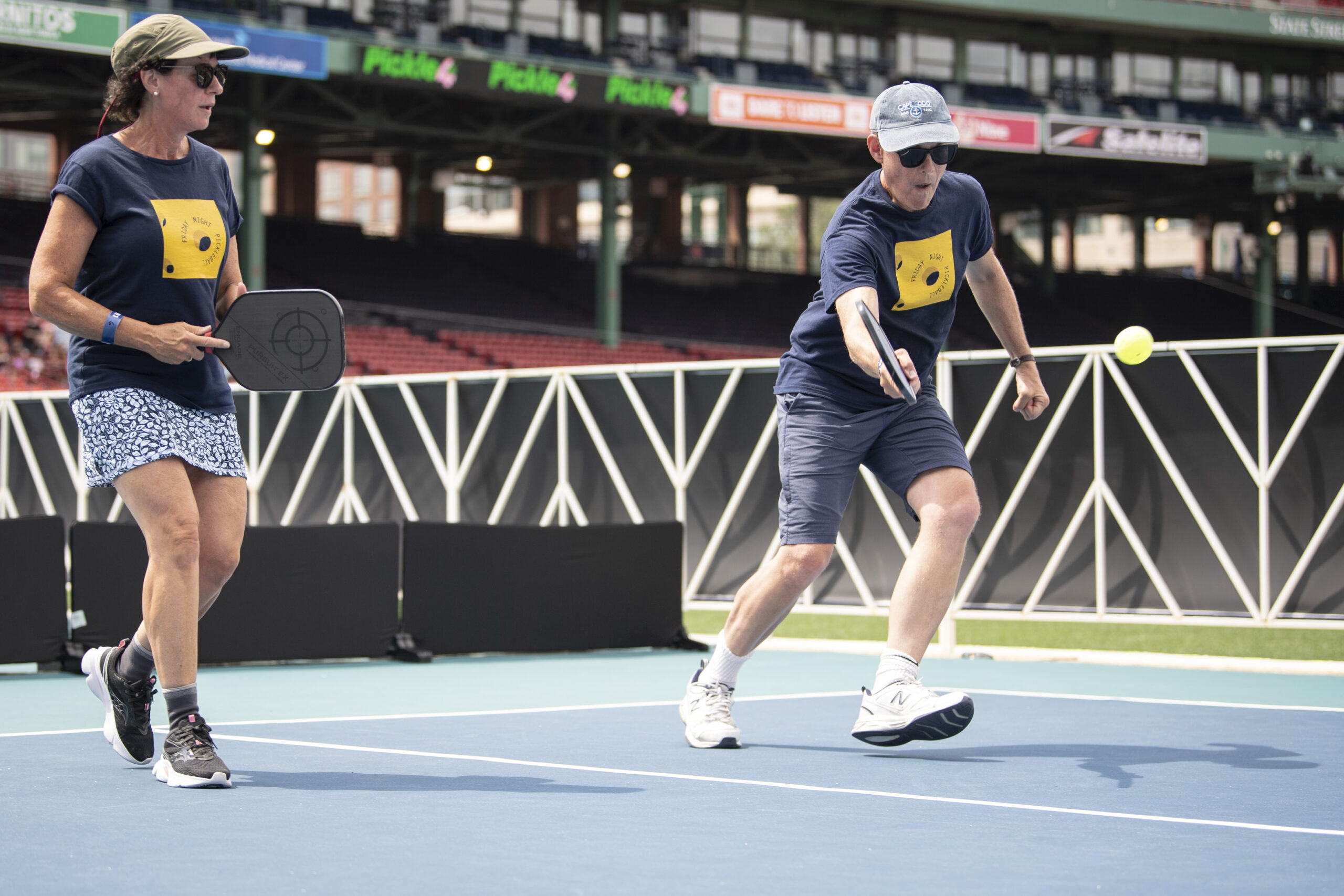
For a sport that has spent years focused on attracting participants, this is a notable shift, and it’s a good problem to have. A full court is evidence that people want to play.
The problem is what happens when demand consistently exceeds supply.
Players may have to drive farther to find a court. They may struggle to get into programs that fit their schedule or skill level. New players can have trouble finding a comfortable place to start, while experienced players may find it difficult to get the competitive or structured play they’re looking for.
The more the sport grows, the more noticeable those gaps become.
More Courts Will Help. But They Won’t Solve Everything Overnight.
The obvious answer is more courts.
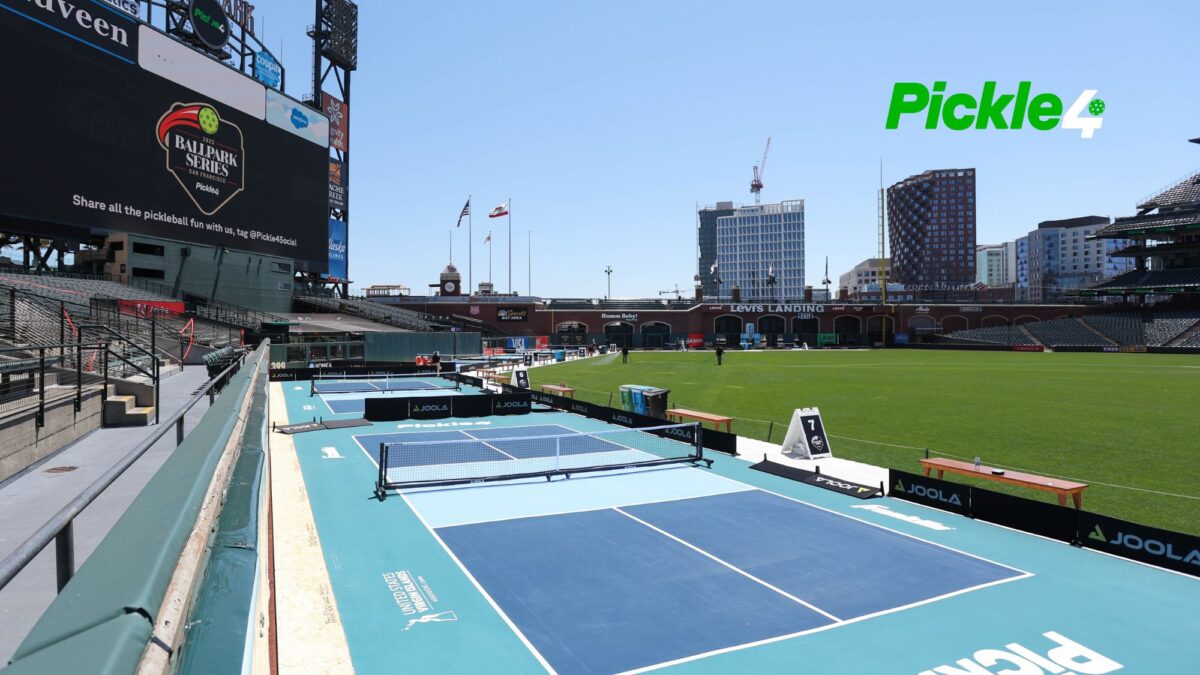
And the pickleball world is already seeing continued investment in new facilities, conversions, dedicated courts, and expanded programming. More places to play will be an important part of supporting the sport’s continued growth. But courts take time, space, and money.
In the meantime, communities have to work with the courts they already have. That makes the way those courts are programmed increasingly important.
A facility with 12 courts doesn’t necessarily have to offer more hours of pickleball to serve more players. It may be able to offer more ways to play. Leagues, open play, clinics, ladders, tournaments, social events, and other organized formats can give players different opportunities to participate while also helping facilities understand what their community actually wants.
It’s less about packing more people onto a court and more about making sure the available court time serves a range of players.
The Next Challenge: Keeping Players Moving
When it’s hard to find court time, players need more reasons to stay connected to the community around them. That might mean a beginner has a clear next step after taking a clinic or a recreational player discovers a league that fits their level.
Not everyone wants to become a competitive tournament player, and they don’t need to. Pickleball has something that many sports don’t: an unusually wide range of ways to participate. A player can play casually with friends, join organized social play, compete in a league, enter a tournament, take a clinic, volunteer at an event, or simply become part of a local pickleball community.
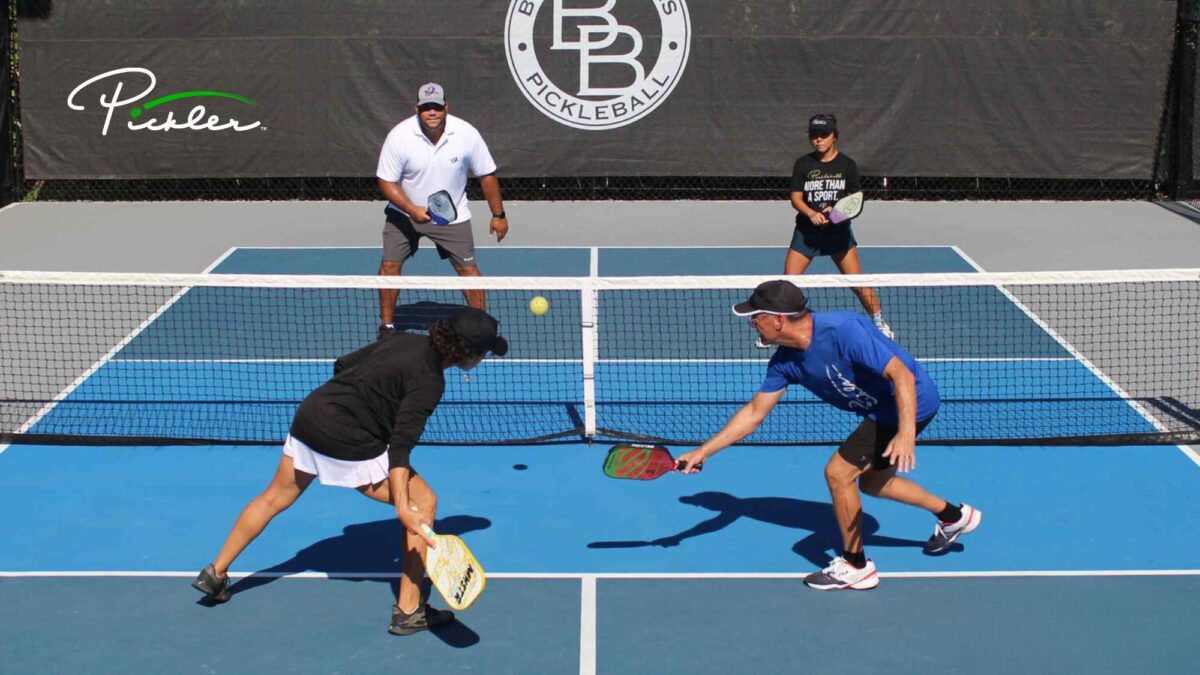
That variety may become increasingly important as the sport grows.
Community Becomes Even More Important
When court access is limited, the experience surrounding the court matters too.
Players aren’t just looking for a place to hit a ball. They’re looking for people to play with, events that fit their interests, and a community where they feel comfortable showing up. That’s especially important for newer players.
If someone discovers pickleball but can’t find a regular group, doesn’t know where to play, or feels like every available game is too competitive, it’s easy for that initial enthusiasm to fade.
A welcoming community can make the difference between “I tried pickleball” and “I play pickleball.”
For established players, community can keep things interesting even when court time is limited. New partners, different formats, leagues, events, and social opportunities can create more ways to stay involved without simply asking for more open courts.
A Different Kind of Growth Problem
Pickleball’s next chapter may look a little different from its last one.
The sport doesn’t necessarily need to spend all its energy convincing people that pickleball is worth trying. Millions of players have already made that decision.
Now the challenge is building enough infrastructure and enough opportunities to support the people who are already interested.
That means more courts, certainly. But it also means thoughtful programming, accessible entry points, opportunities for players to progress, and communities that give people a reason to keep showing up.
True growth isn’t just about how many people pick up a paddle for the first time; it’s also about whether they can find a court, find a game, find their people, and still have a reason to come back next week.
Pickleball may have finally moved beyond the question of how to get people to play. The bigger question now is how to make sure there’s room for everyone who wants to.