Pickleball is not changing overnight, but when you step back and look across hundreds of clubs, leagues, and tournaments, clear patterns begin to take shape. These trends are driven by organizers making thoughtful adjustments to solve real problems and deliver better experiences for players.
At Pickleball Den, we see these patterns emerge early because we work with organizers who are testing formats, adjusting schedules, and responding to player feedback in real time. As we look ahead in 2026, a few trends stand out. Together, they reflect how organizers are refining events by rethinking competition, community, and long-term sustainability.
Here’s what we’re seeing.
Players Want More Matches, and Organizers Are Listening
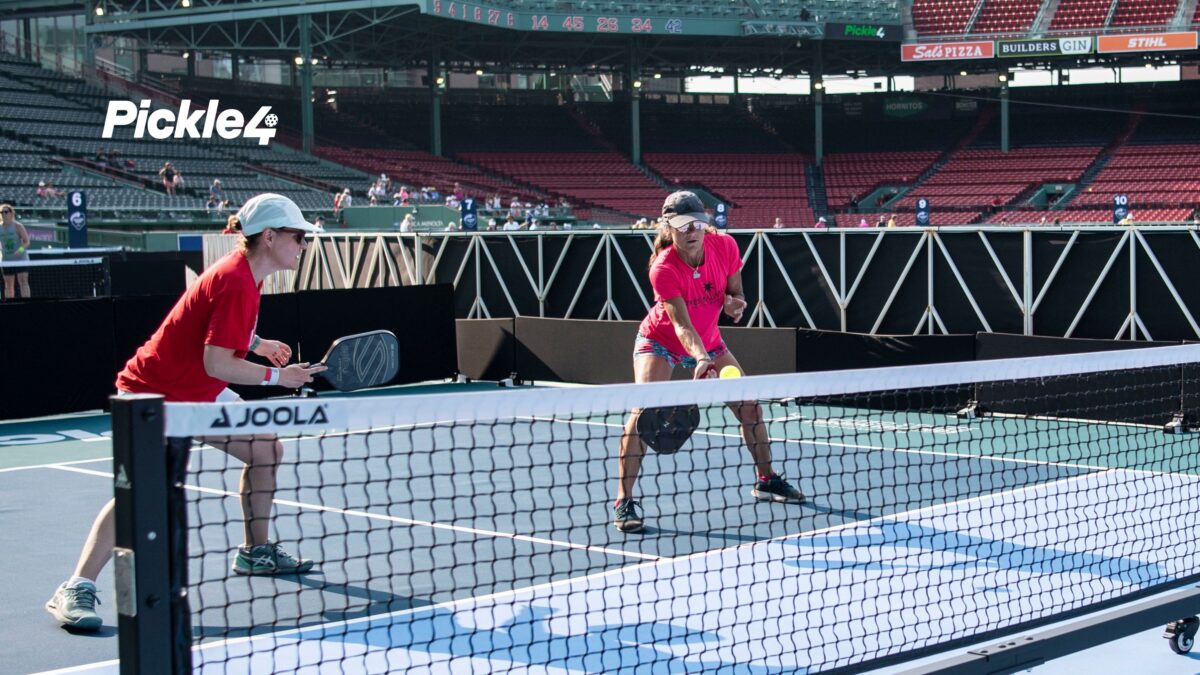
One of the strongest shifts we see is a move away from formats that end a player’s day too quickly. This is especially true at the local and regional level, where players are balancing entry fees, travel time, and busy schedules. When players commit to an event, they want to know they will spend meaningful time on court.
As a result, more organizers are choosing formats that prioritize predictable play time. Round robin formats with a playoff component are becoming more common because they give players multiple matches, clearer value for their entry fee, and a better overall experience without losing the competitive edge.
Organizer Pro Tip: Before locking in a format, calculate the minimum matches per player and adjust based on final registrations. Shifting from round robin to double round robin, or splitting divisions into pools with a playoff round can significantly improve the player experience.
Many Clubs Are Moving Beyond One-Off Tournaments
Clubs are becoming more selective about when a traditional tournament makes sense. For many, the focus is shifting toward repeatable formats that fit more naturally into ongoing club operations. Leagues, ladders, and mixers are easier to sustain and easier to adapt as participation changes.
Pickleball Den’s shootout-style ladder leagues are a strong example. They offer structure without rigidity, allow individual sign-ups, make substitutions easy, and automatically track scores and standings. Many clubs run multiple shootout groups at the same time, keeping play fair and enjoyable by separating beginners, intermediate, and advanced players, women-only groups, or open formats that focus less on ratings.
The popularity of these formats is growing because they give players consistency while giving organizers flexibility, without the overhead of a full tournament weekend.
Organizer Pro Tip: Pilot new formats, like ladders or shootouts, with a small group first. If interest grows, run multiple groups to separate skill level or competition focus. Collect feedback and make adjustments before opening registration to all players.
Designing Youth and Family Programming That Actually Sticks
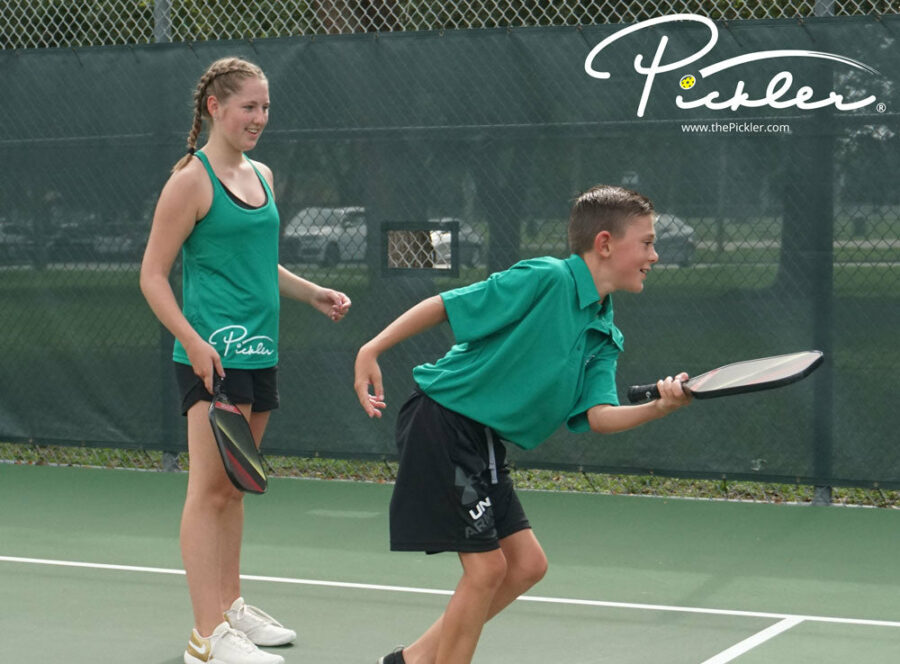
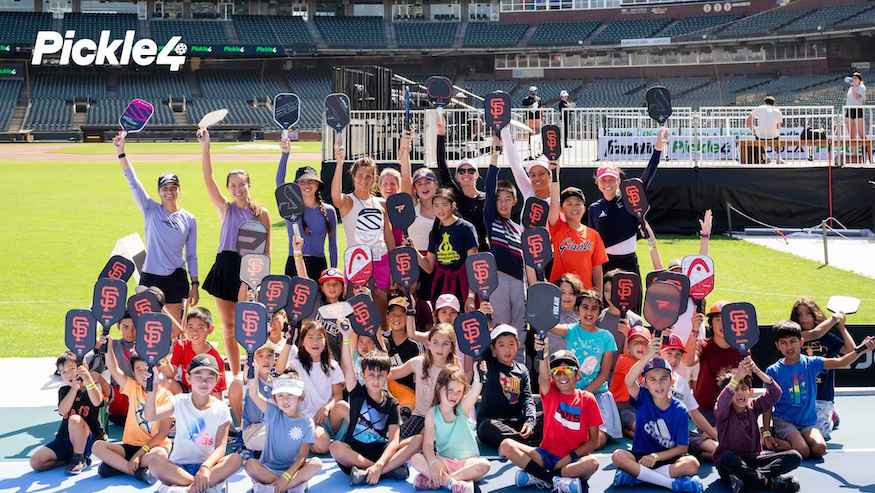
Youth pickleball is no longer something clubs are testing on the side. It is becoming a core part of programming. More clubs are offering junior clinics and family-friendly open play, and more tournaments are adding junior divisions where none existed before.
What stands out is how integrated this programming has become. Youth events are not isolated on the calendar. They are woven into regular club activity, making it easier for families to stay involved over time.
This mirrors what we see at the highest levels of the sport, where youth development is treated as essential to long-term growth. At the club level, organizers are applying the same thinking by investing early and creating welcoming pathways for families.
Organizer Pro Tip: Schedule youth and family programs around school and family life, not just court availability. For more ideas, explore our tips for designing youth pickleball club programming.
Balancing Competitive Play With Community Connection
A subtle but meaningful shift is how clubs are being more intentional about community. Organizers are pairing structured competition with simple social moments that help players connect, such as end-of-season celebrations, ladder recognition, or casual post-play gatherings.
At the same time, clubs are protecting competitive time through leveled play and clear groupings. Players want quality games, but they also want to enjoy the environment and feel connected to the people they play with.
The clubs seeing the strongest retention are not choosing between competition and community. They are designing for both.
Organizer Pro Tip: Identify a few members who enjoy welcoming others or organizing small social moments. Empowering them as ambassadors strengthens community and reduces the workload on organizers.
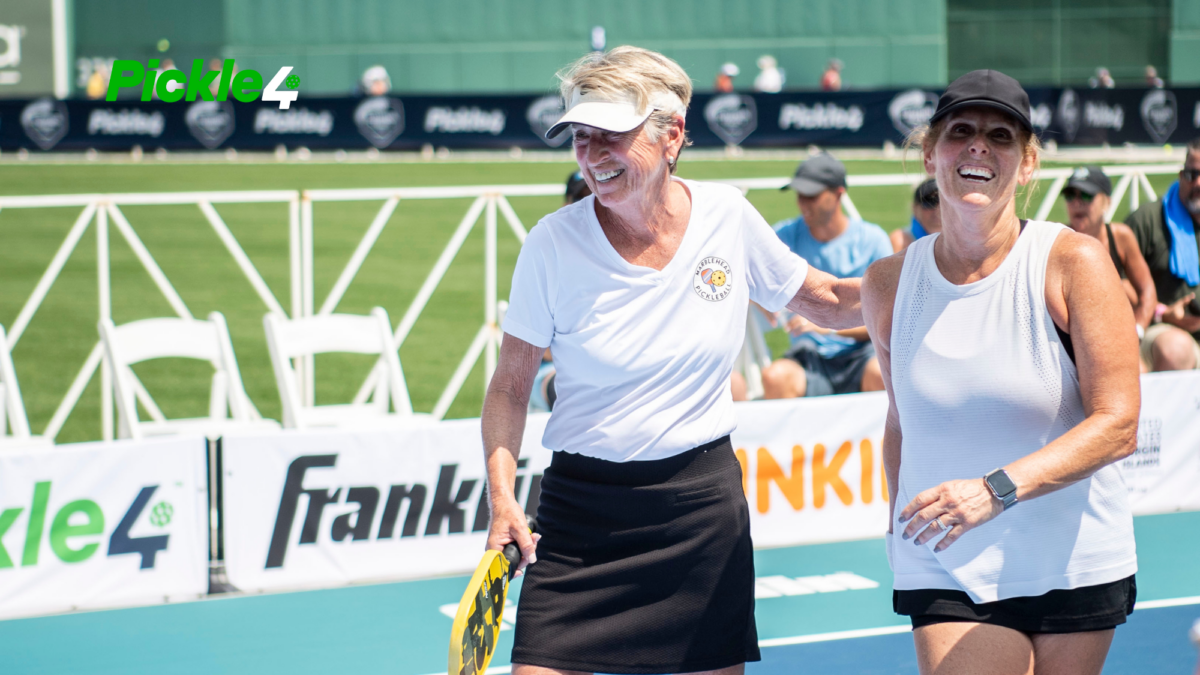
Team Play Is Gaining Momentum at the Club Level
Team-based formats are growing in popularity, especially when they extend beyond a single club. They offer players another way to compete together and build connections, whether through internal team leagues or small cross-club matchups.
We are seeing more clubs experiment with short team seasons or one-off team events. Team play is becoming a practical way to deepen engagement and add variety, without adding complexity for organizers.
Organizer Pro Tip: Clear communication is key. Keep schedules, rules, and team standings easy to access so players stay engaged and the experience runs smoothly.
What This Means for Organizers in 2026
None of these shifts are sudden. They reflect the thoughtful, meaningful choices organizers make every season that provide real value to players. Every adjustment, from tweaking formats to integrating youth programming, signals the future of pickleball events and shows the impact organizers have on the growth and enjoyment of the sport.
The most successful programs in 2026 will likely have a few things in common:
- They respect players’ time
- They build flexibility into their formats
- They invest in youth and family opportunities
- They create space for both competition and connection
- They experiment carefully with new structures like ladder leagues and team play
From our perspective at Pickleball Den, these are not predictions. They are already happening across clubs and tournaments of all sizes. For organizers looking ahead, they offer practical inspiration for building events that players enjoy, value, and return to season after season.