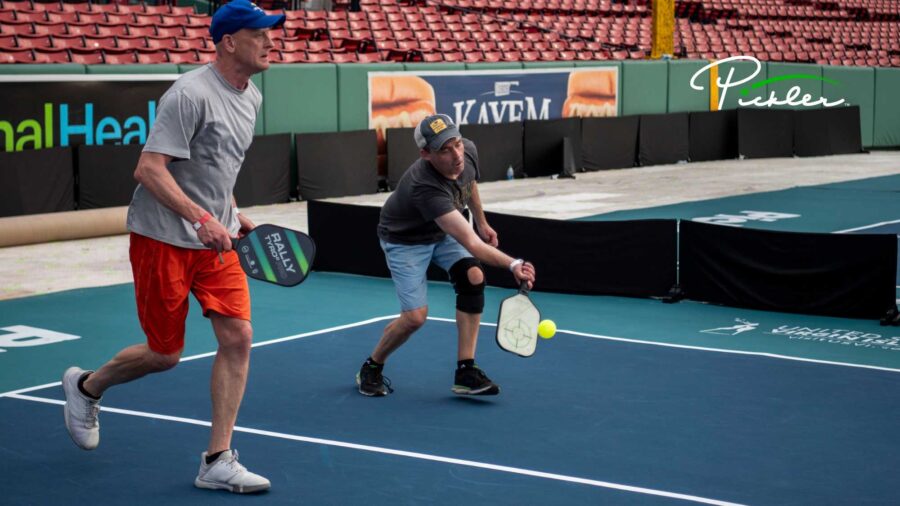

Most pickleball players spend their time chasing weaknesses.
We want better dinks, cleaner resets, stronger serves, faster hands. Improvement matters, but there’s an often-overlooked shortcut to real progress: identifying what’s already working and intentionally applying it elsewhere in your game.
High-level players reflect constantly. Not to dwell on mistakes, but to understand why certain shots, decisions, or habits are producing results. That awareness is what turns improvement from guesswork into a repeatable process.
It all starts with one simple question:
What’s working for me right now?
Step 1: Identify What’s Working (Without Overthinking It)
Reflection doesn’t need to be complicated or time-consuming. After a match, a drilling session, or a tournament day, pause and think about where things felt steady rather than forced. Which shots held up under pressure? Where did points come without you trying to do too much? When did you and your partner stay in control of rallies?
For some players, it’s the reliability of a crosscourt dink. For others, it’s the ability to block drives in transition, stay patient at the Kitchen Line, or place serves with confidence late in games. Sometimes it’s not even a shot. It’s communication, positioning, or decision-making.
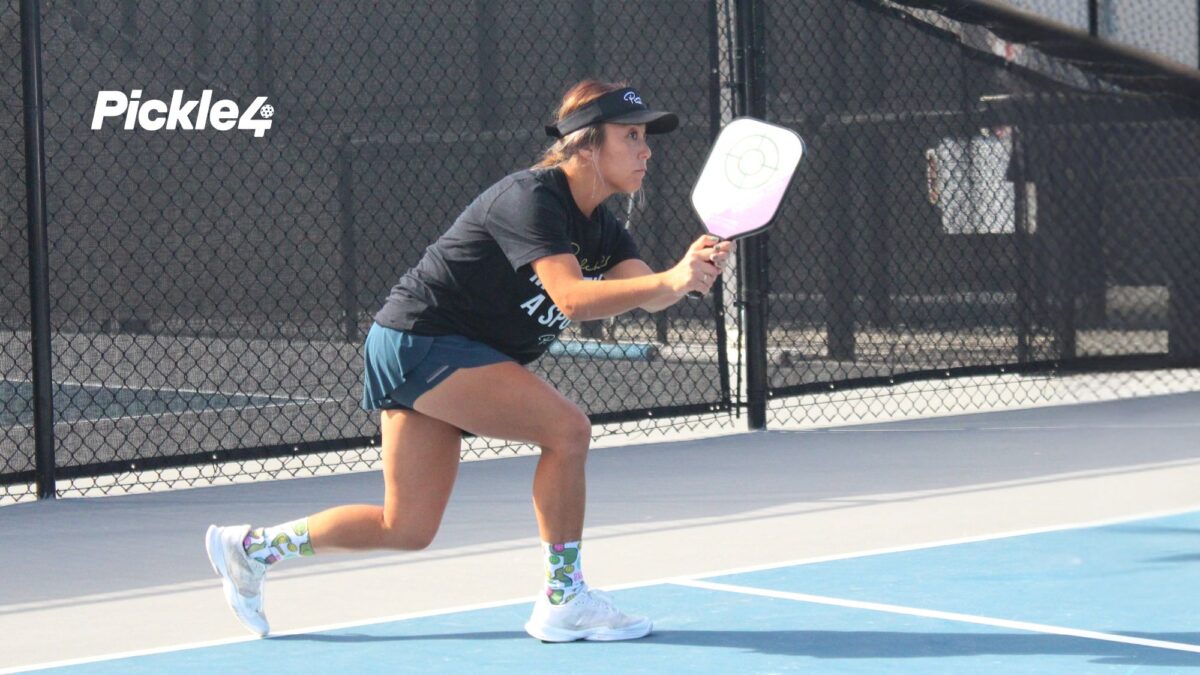
Clarity matters more than quantity. Identify one or two things that consistently helped you succeed and move on. The goal isn’t to diagnose everything, just to recognize what’s already helping your game.
Step 2: Understand Why It’s Working
This is where reflection turns into growth.
Instead of stopping at what worked, dig one layer deeper. Ask yourself what felt consistent about the situation. Were your mechanics quieter? Were you more balanced? Did you slow the point down instead of rushing it?
Maybe your backhand dink holds up because your footwork stays calm and your paddle motion is simple. Maybe your block volley works because you absorb pace instead of trying to win the point outright. Maybe your serve is effective because you prioritize margin and placement over power.
These patterns matter more than the individual shot. Once you understand the reason behind the success, you’ve found something you can reuse.
Step 3: Apply the Pattern Somewhere Else
This is where progress starts to compound.
When you know why something works, you can apply that same principle in a new situation. Patience that helps your dinks can also improve your resets. Compact mechanics that make your blocks reliable can carry over to volleys at the Kitchen Line. Targeting space on your serve can translate directly to smarter returns.
You don’t need to learn a brand-new skill. You can transfer proven strategies to another skill. That’s a far more efficient path to improvement than constantly starting from scratch.
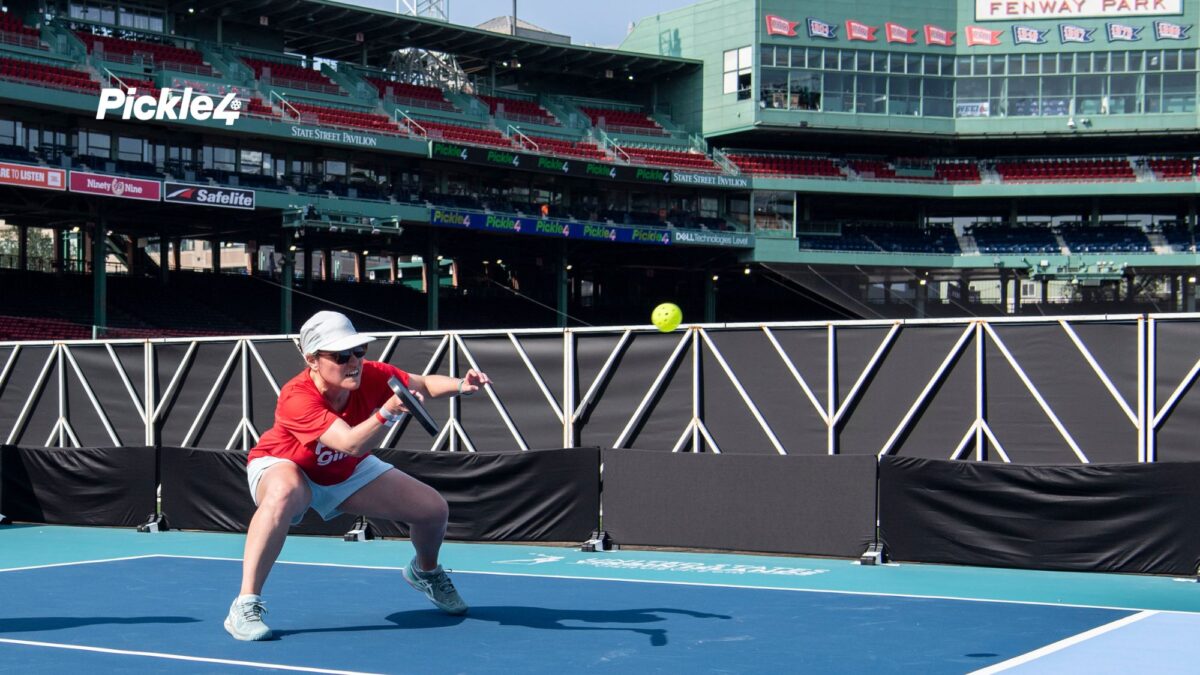
Step 4: Set Goals Based on Strength, Not Just Weakness
Many pickleball goals fail because they’re too vague or too focused on what feels broken. “I want better dinks” sounds reasonable, but it doesn’t give you a clear action.
Strength-based goals do. Instead of chasing a weakness, anchor your focus to something that already works. That might mean using the same footwork from your backhand dink when resetting in transition, or bringing your calm block-volley mindset into hands battles at the net. It could even be carrying your serving routine into your return of serve.
Goals built this way are easier to commit to and easier to measure because they’re grounded in success, not frustration.
Step 5: Revisit the Question Regularly
As your game evolves, so should your reflection.
Revisit the question What’s working for me? on a regular basis. You don’t need a journal or a long checklist. A few honest minutes of reflection are enough to keep your improvement intentional.
Progress isn’t about fixing everything at once. It’s about stacking small wins and letting them build.
The Takeaway
Your best teacher is already on the court—your own game.
When you identify what’s working, understand why it works, and apply that lesson elsewhere, improvement becomes clearer, faster, and more sustainable. So the next time you play, don’t start by asking what went wrong.
Ask instead: What’s working for me—and where else can I use it?