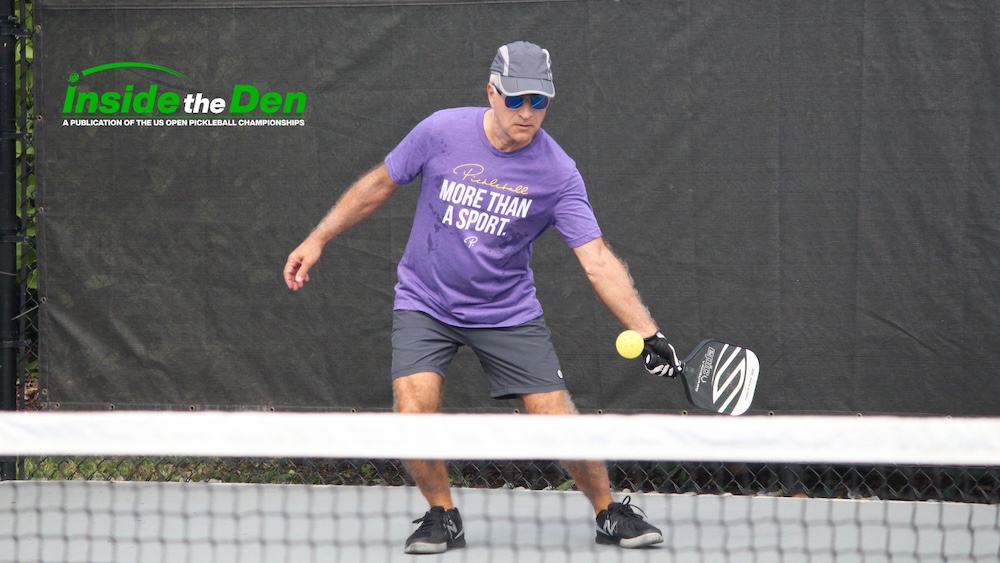
The pickleball drop shot is one of the most important shots to have in your game. It can also be one of the most difficult to master.
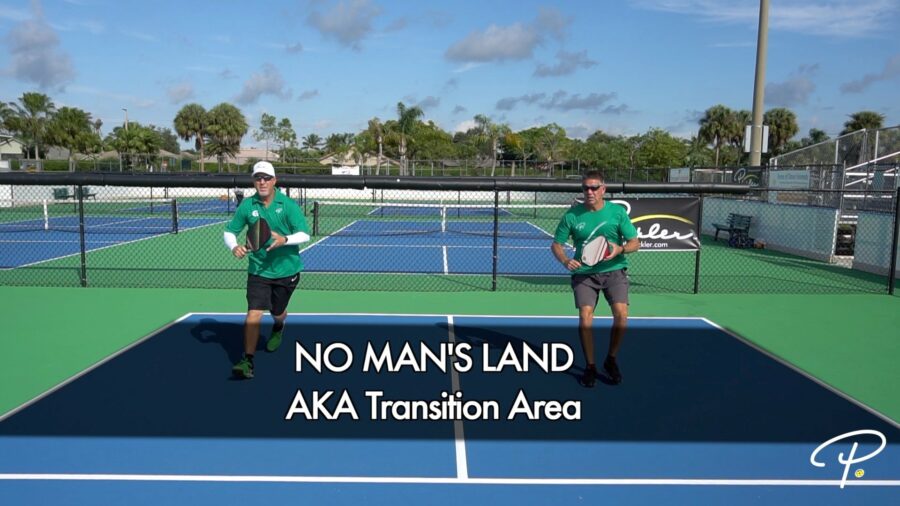
A well-executed third-shot drop can help neutralize your opponent’s advantage at the kitchen and give you time to move forward. The challenge is getting the ball to travel a long distance while still landing softly in the Non-Volley Zone.
A drop is similar to a long dink, but the mechanics aren’t exactly the same. Because you have much more court to cover, your preparation and swing need to help you create the right amount of arc and control.
If your drops are consistently landing in the net, sailing long, or sitting up for your opponent, start by checking these five pieces of your drop shot mechanics.
1. Start in Pickleball Ready
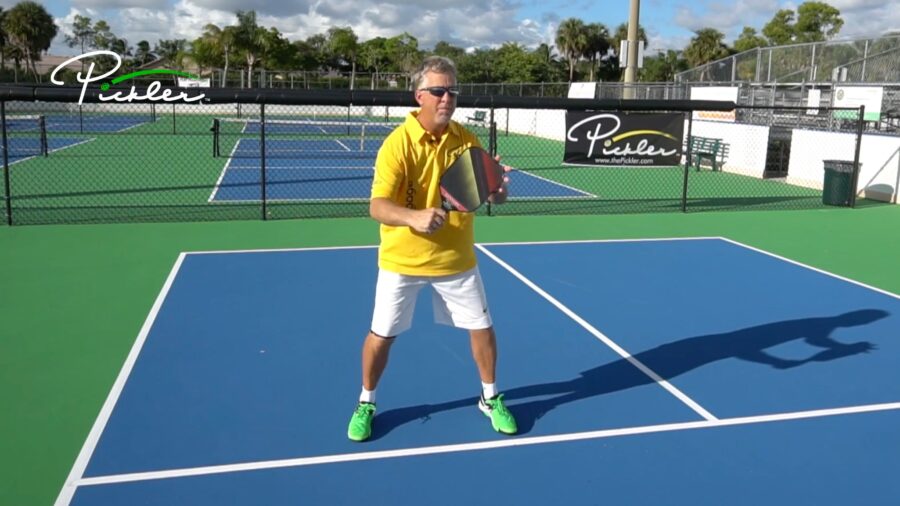
When you’re at or near the baseline and preparing to hit a drop, start in a pickleball-ready position with your paddle up and your body prepared to move.
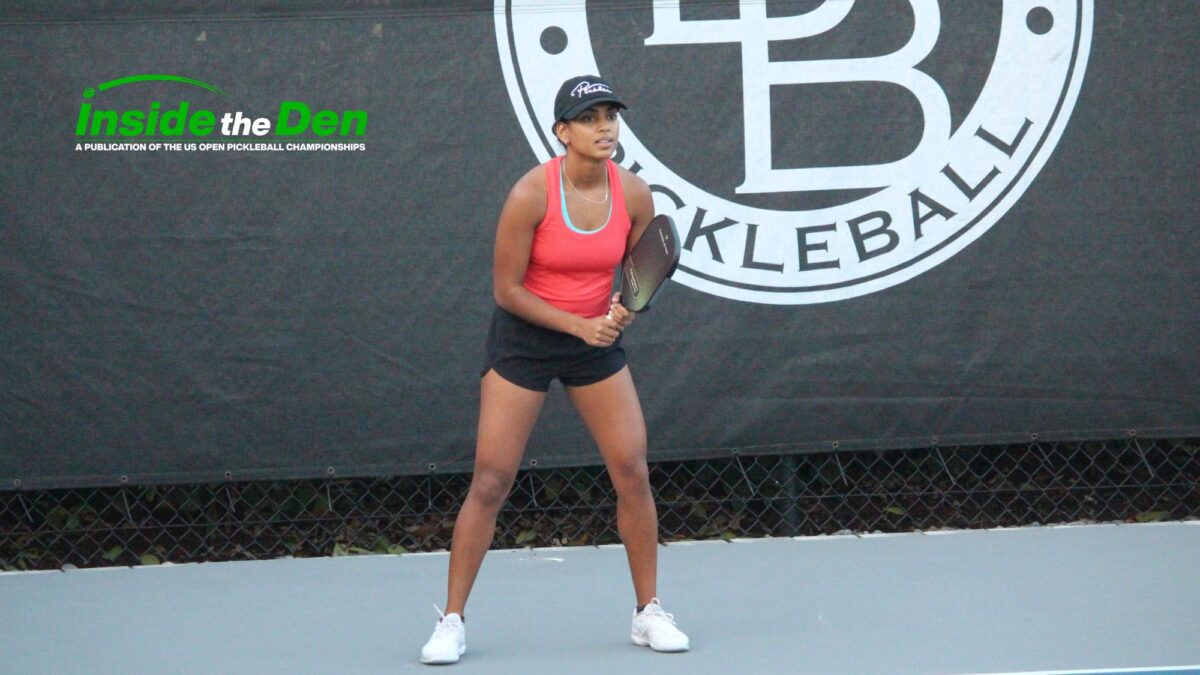
As the ball approaches, move your body behind it whenever possible so you can hit a forehand drop. Forehand drops will generally be easier to control and more consistent than backhand drops.
As you move into position, slightly rotate your shoulders and upper body toward your paddle side. Bend your knees and compress into your paddle-side hip and knee. That compression should feel familiar if you’ve worked on your dinking mechanics. The difference is that you’re preparing to send the ball much farther.
2. Get Your Paddle Out in Front
Your paddle should be out in front of your body and within your peripheral vision. Even though you’re focused on the ball, you should still be able to see your paddle without turning your head.
Keep the paddle face slightly down and open toward the sky. This gives you a stable starting position and helps you control the lift you create through the shot.
3. Keep the Backswing Short
A drop shot is a soft shot, so you don’t need a big backswing.
A short backswing helps prevent you from generating too much power and momentum. Too much pace makes it harder to create the controlled arc needed to clear the net and land the ball softly in the kitchen.
Think compact and controlled, rather than big and powerful.
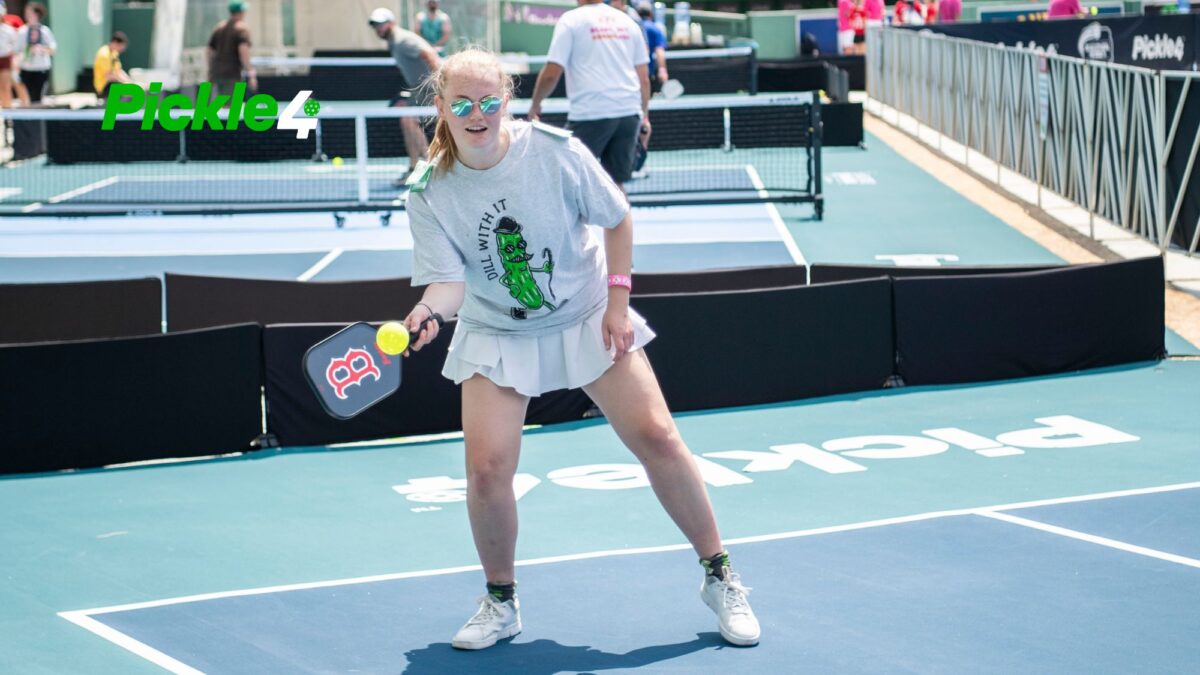
4. Find the Right Contact Point
Where you make contact with the pickleball can make a big difference in your consistency. Strike the underside of the ball out in front of your body, generally between your knee and hip. This contact point helps you control the power and placement of the drop.
If the ball gets too far behind you, controlling the shot becomes much more difficult.
When practicing your third-shot drop, pay attention to your contact point, not just where the ball lands. Consistent contact gives you a better foundation for a consistent drop.
5. Lift Up and Through
After making contact, lift your paddle up and through the ball.
Avoid coming across your body or flipping your wrist. Keep your wrist firm and controlled throughout the swing.
Your paddle should finish roughly between the 11 and 1 o’clock positions, imagining a clock face standing vertically on the court in front of you.
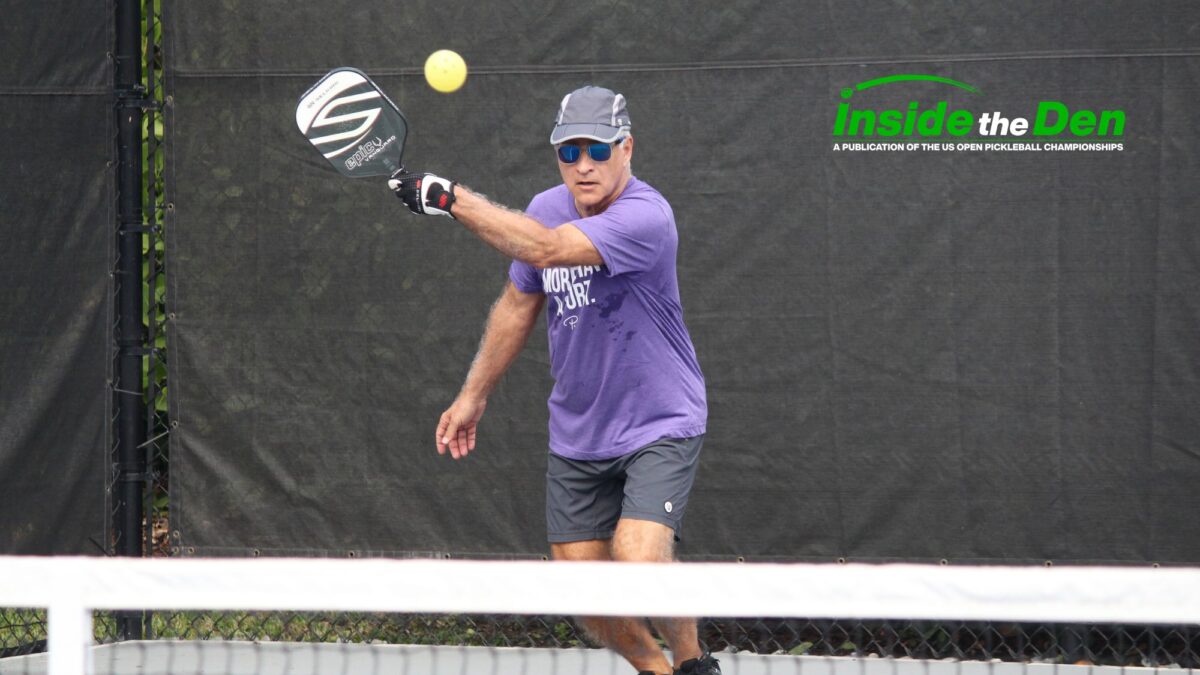
The goal isn’t simply to hit the ball softly. You need enough lift to create a controlled arc over the net before the ball drops into the kitchen.
Don’t Forget the Backhand Drop
Sometimes you simply can’t get around the ball to hit a forehand. That’s when your backhand drop becomes important.
The basic mechanics remain the same: get your body behind the ball, keep the backswing compact, make contact out in front and lift up and through the ball.
The primary difference is your body rotation. Instead of rotating your shoulders and upper body toward your paddle side, rotate toward your non-paddle side as you prepare for the backhand.
Practice both. You won’t always have the time or space to get around the ball for a forehand.
The Drop Takes Repetition
There isn’t a shortcut to developing a reliable drop shot. The shot requires touch, control, timing, and consistency, and those skills come from repetition.
When practicing, focus on your mechanics rather than trying to hit the perfect drop every time. Build a compact swing, find a consistent contact point, and learn how much lift you need to get the ball safely into the kitchen. Then keep drilling. The more quality repetitions you get, the more natural the mechanics will become when you need the shot during a game.
A better drop shot comes from developing repeatable mechanics and learning to control the ball over distance. With enough practice, those mechanics can become second nature.
WANT MORE PICKLEBALL TIPS AND STRATEGIES?
A great drop starts with good mechanics, but knowing when to use it is just as important. Learn When to Drive or Drop Your Third Shot on the Pickleball Court and how to make smarter third-shot decisions.
If you want more pickleball tips and strategies on every aspect of your pickleball game, check out Inside the Den’s online video lesson collection called My Pro Pickleball Coach. My Pro Pickleball Coach is a fraction of the price of one clinic or even one lesson, and features over 140 video lessons (over 7 hours of instruction!), as well as a corresponding e-book. These online video lessons are available on demand 24/7 and breakdown every aspect of the sport of pickleball, including pickleball drills, strategy, and advanced concepts, so you will play your best pickleball.