You’ve probably heard it a hundred times: Keep your eye on the ball.
It sounds simple, but tracking the pickleball well is more than just watching it. Good tracking means following the ball from your opponent’s paddle, reading its path as it travels across the court, and watching it all the way into your own paddle.
When you track the ball well, you give yourself more time to react and execute your shot. You can improve your timing, make cleaner contact, reduce unforced errors, and avoid rushing your shots. Instead of reacting at the last second, you can recognize what is coming and make a more confident, intentional play.
The good news is that tracking is a skill you can improve with practice.
1. Start With Your Opponent’s Paddle
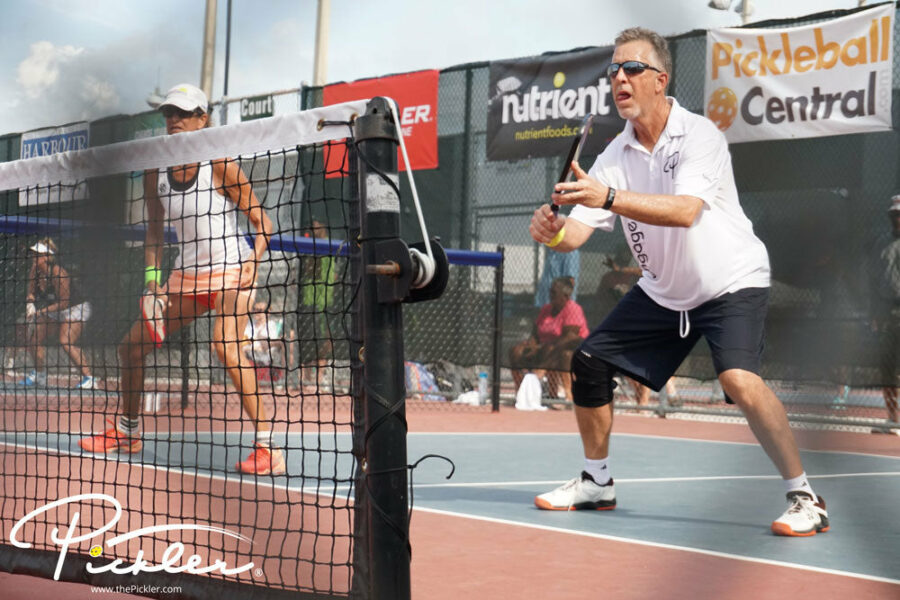
Your tracking should start before the ball is even hit. As your opponent prepares to hit the ball, pay attention to their paddle position and point of contact. These can give you an early indication of where the ball is headed. Is the paddle open or closed? Is the contact point in front of their body or to the side? Are they preparing for a drive, dink, lob, or another shot?
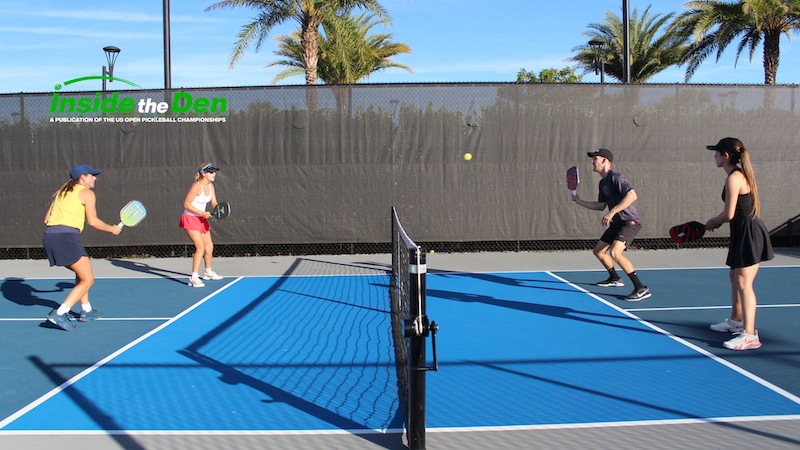
Then watch the ball leave the paddle.
Getting an early read on the pickleball is especially valuable at the Kitchen Line, where you may have very little time to react. Reading your opponent’s paddle gives you a head start, while continuing to track the ball tells you exactly how you need to respond.
2. Follow the Ball’s Path
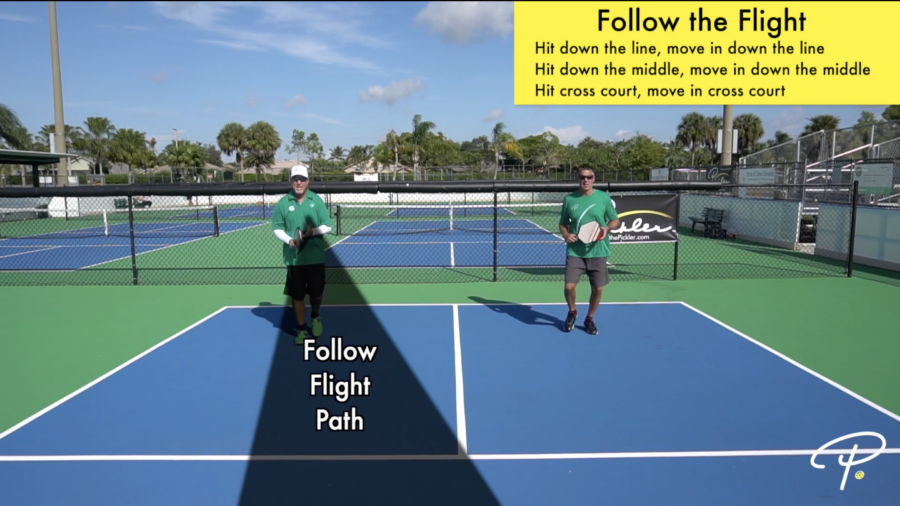
Once the ball leaves your opponent’s paddle, follow its trajectory and watch how the ball travels across the net. Pay attention to its speed, height, direction, and whether it is rising or dropping. If the ball bounces, watch the bounce and continue following its path afterward.
The goal is to avoid picking up the ball only when it gets close to you. By following its entire path, you have more information about where it is going and more time to get your body and paddle into position.
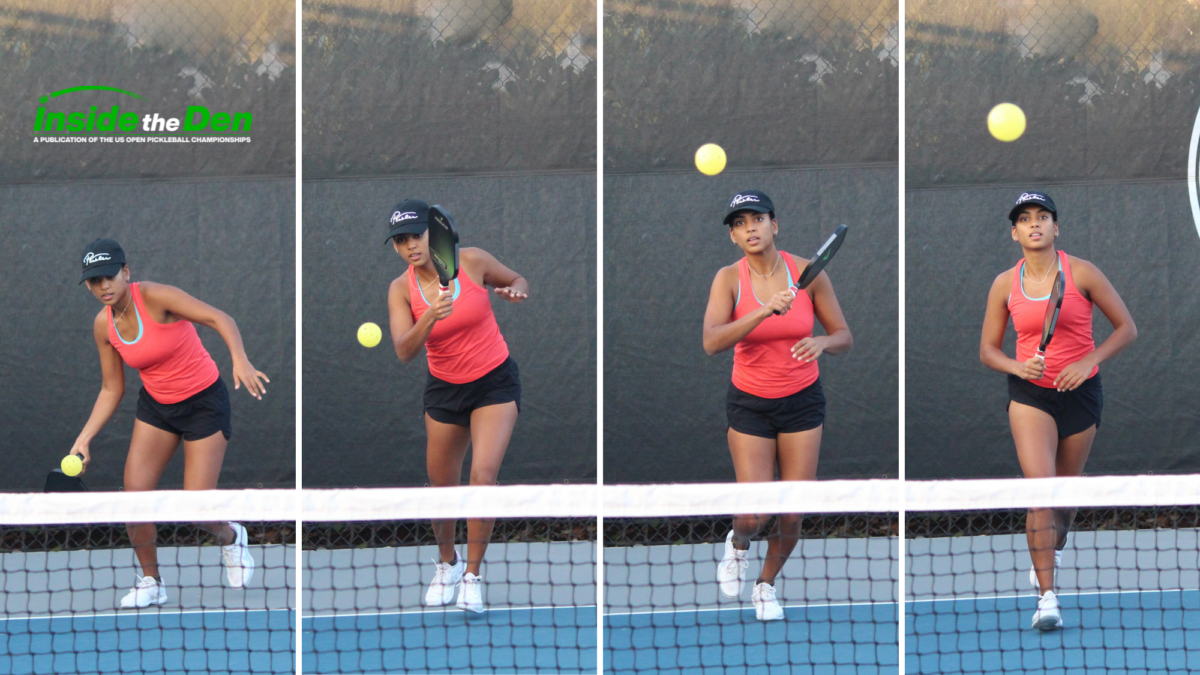
This can give you more time to prepare during faster exchanges. Rather than waiting for a drive to arrive and then scrambling to react, you can begin moving as soon as you recognize its path.
3. Track the Pickleball Through Contact
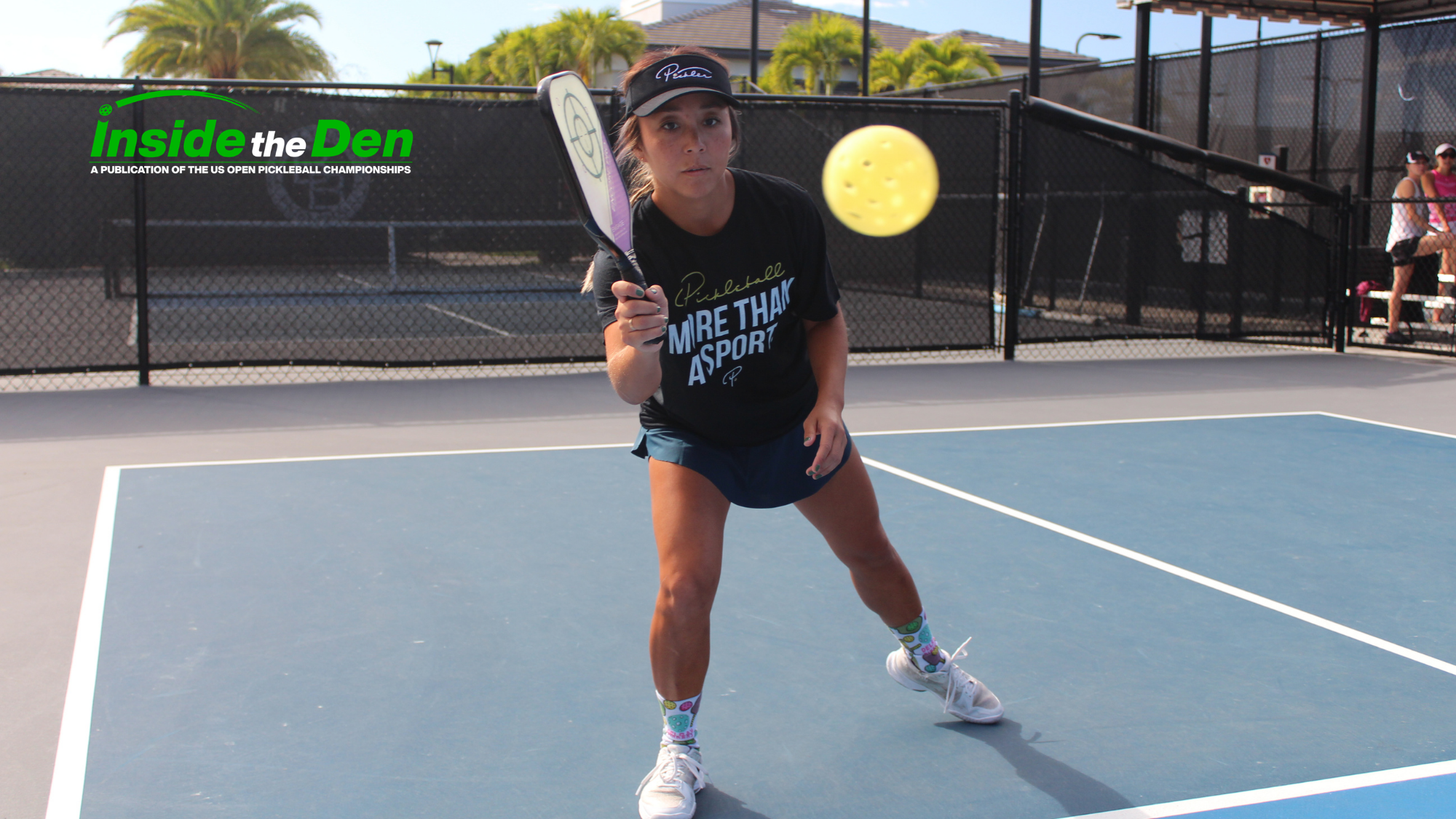
One of the easiest ways to lose track of the ball is to look away too soon. As the ball approaches, keep watching it all the way into your paddle. Avoid looking toward your target or your opponent before you make contact.
Watching the ball into your paddle helps you time your swing and make cleaner contact. It can also help prevent rushed or mishit shots because you are giving yourself the best chance to meet the ball at the right point.
After contact, shift your attention back to your opponent and prepare for the next shot.
4. Use Your Peripheral Vision
You might be wondering: If I’m watching the ball all the way from my opponent’s paddle to my paddle, how am I supposed to know where my partner and opponents are?
The answer is your peripheral vision.
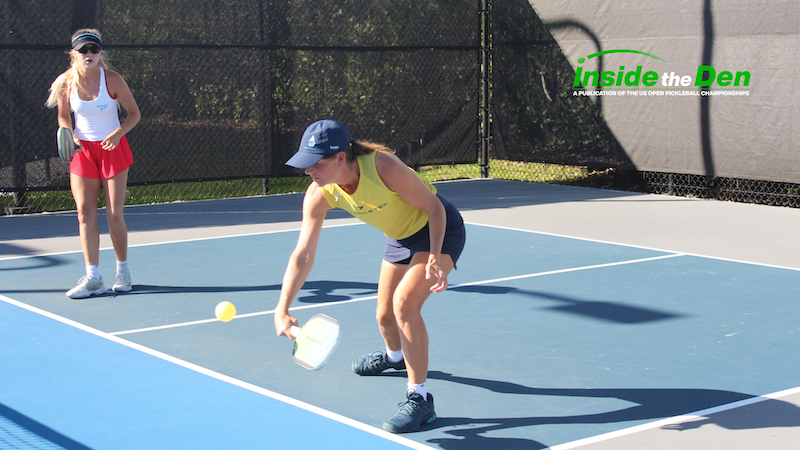
Your eyes should primarily track the ball, but you can still maintain awareness of what is happening around it. In doubles, this allows you to keep track of your partner’s position and your opponents’ movements without constantly taking your eyes off the ball.
You don’t need to consciously look back and forth between the ball and the other players. With practice, you can keep your focus on the ball while using your peripheral vision to maintain your broader court awareness.
5. Stay Stable as You Track
Good tracking is easier when your body is balanced and your eyes have a stable view of the ball.
When you get rushed, it can be tempting to lean, reach, or move your upper body toward the ball. Instead, use your feet to get into position and keep your upper body as stable as possible while you track the ball.
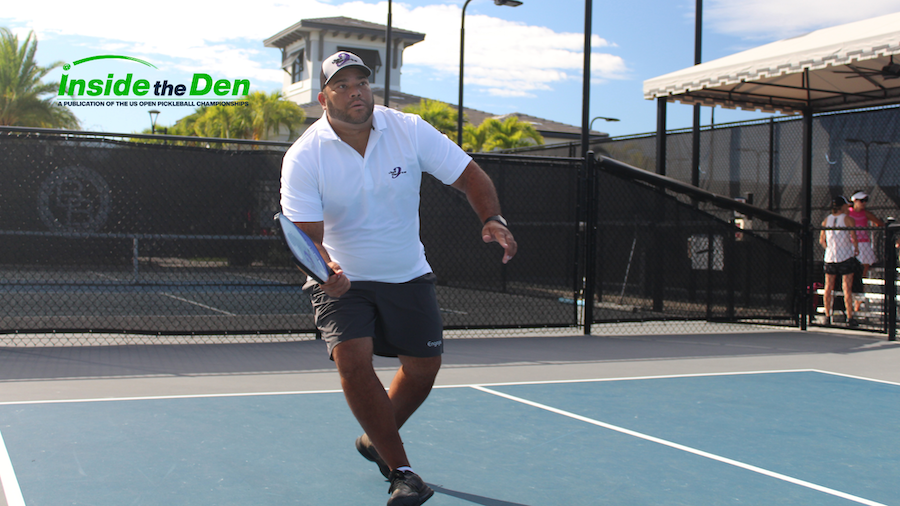
A balanced position allows you to see the ball clearly while keeping your paddle ready to respond. Your body also has a natural tendency to move toward where your eyes are focused. By keeping your eyes on the pickleball, you can help keep your body positioned and ready to react to where the ball is going.
Think move your feet, keep your eyes on the ball, and stay balanced.
6. Make Tracking Part of Your Regular Practice
Like any other skill, better tracking comes from repetition.
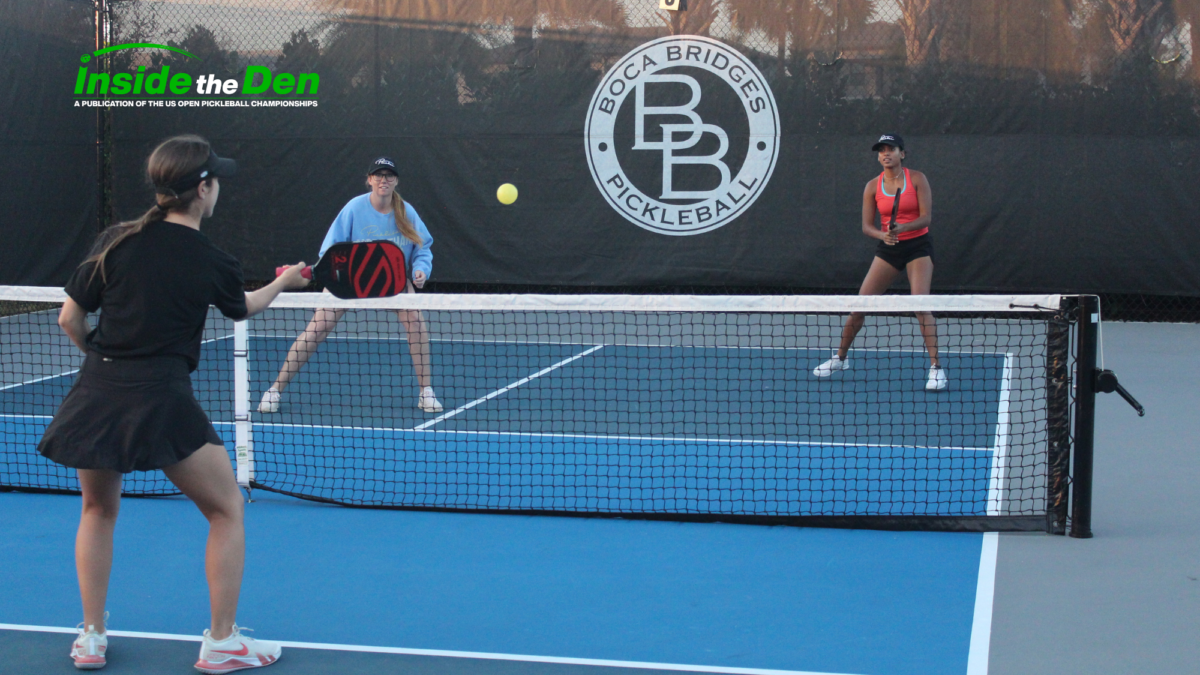
During your next practice session, choose one part of the tracking process to focus on. You can also make tracking the focus of specific drills.
Read: Improve Your Pickleball Tracking with These 2 Drills
As you practice, pay attention to the shots you tend to lose track of. Is it a fast drive? A high lob? A soft dink that changes direction? Identifying those situations can help you focus your practice where it will have the biggest impact.
While better tracking won’t make the pickleball move any slower, it can help you see the ball earlier, prepare sooner, and give yourself more time to make the shot you want to make.
Sometimes, getting better at pickleball starts with simply seeing the ball a little better.