
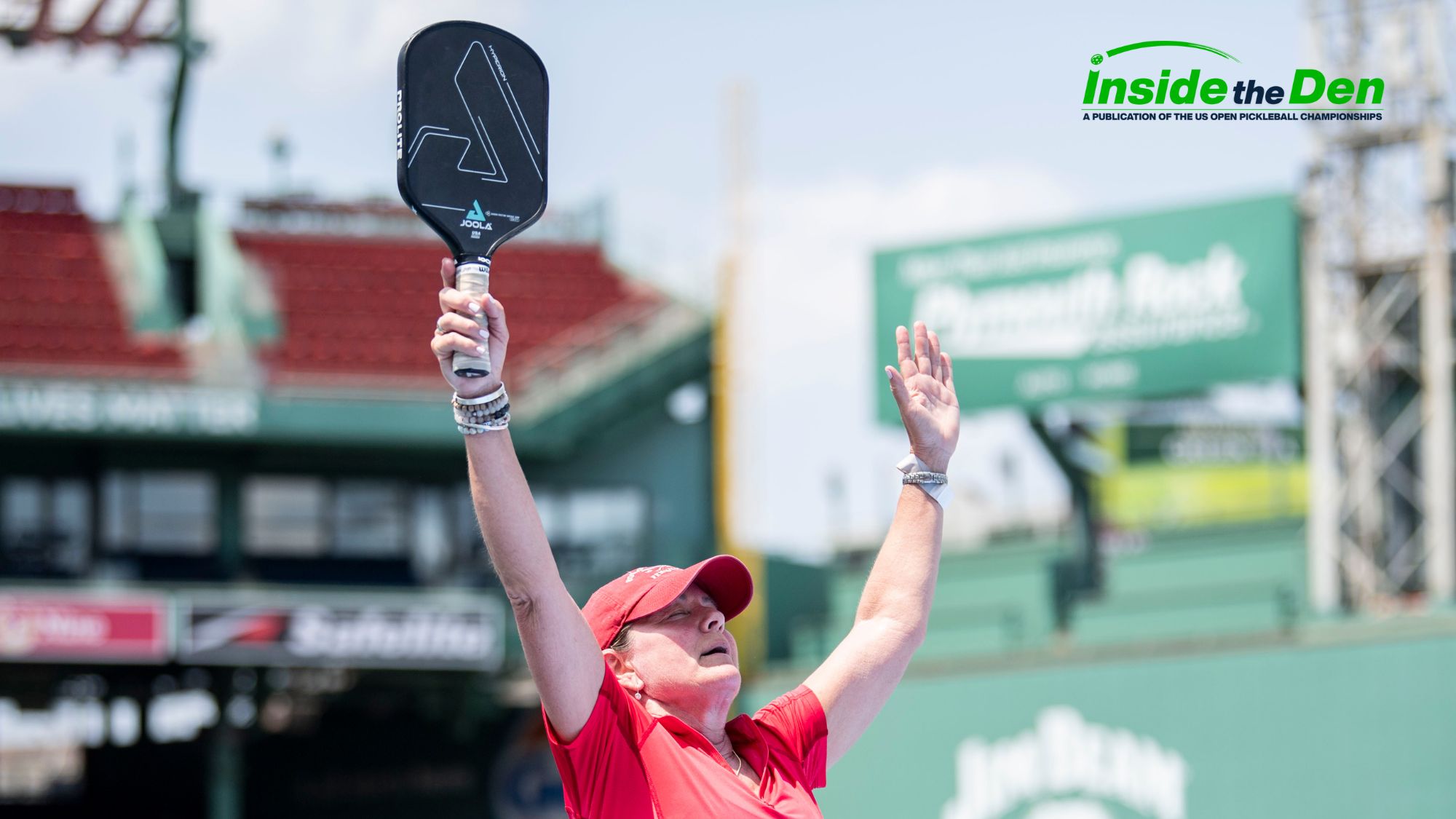
Pickleball is often talked about as the fastest-growing sport in America, but what keeps players coming back isn’t just the game itself. It’s how the game makes them feel.
Beyond fitness and competition, pickleball offers structure, connection, and small daily wins that quietly support mental wellbeing. When approached intentionally, your time on the court can become a powerful reset—physically, socially, and mentally.
Here are a few simple ways to play well and feel well every time you step on the court.
1. Build a Consistent Pickleball Routine
Consistency matters more than intensity.
A predictable pickleball routine gives your week structure and something to look forward to. Whether that’s two open-play sessions, one drill night, or a standing Saturday morning game, regular court time supports both physical health and mental balance.
At the same time, routine doesn’t mean overdoing it. Listening to your body, scheduling rest days, and adjusting play frequency during busy weeks are all part of a sustainable approach. The goal is to play consistently enough to stay active, connected, and energized.
2. Balance Social Play and Skill Development
Not every session needs to feel like a tournament.
Rotating between social open play, focused drills, and competitive matches keeps pickleball mentally stimulating and emotionally balanced. Social games build connection and joy. Drills provide progress and purpose. Competitive play sharpens focus and resilience.
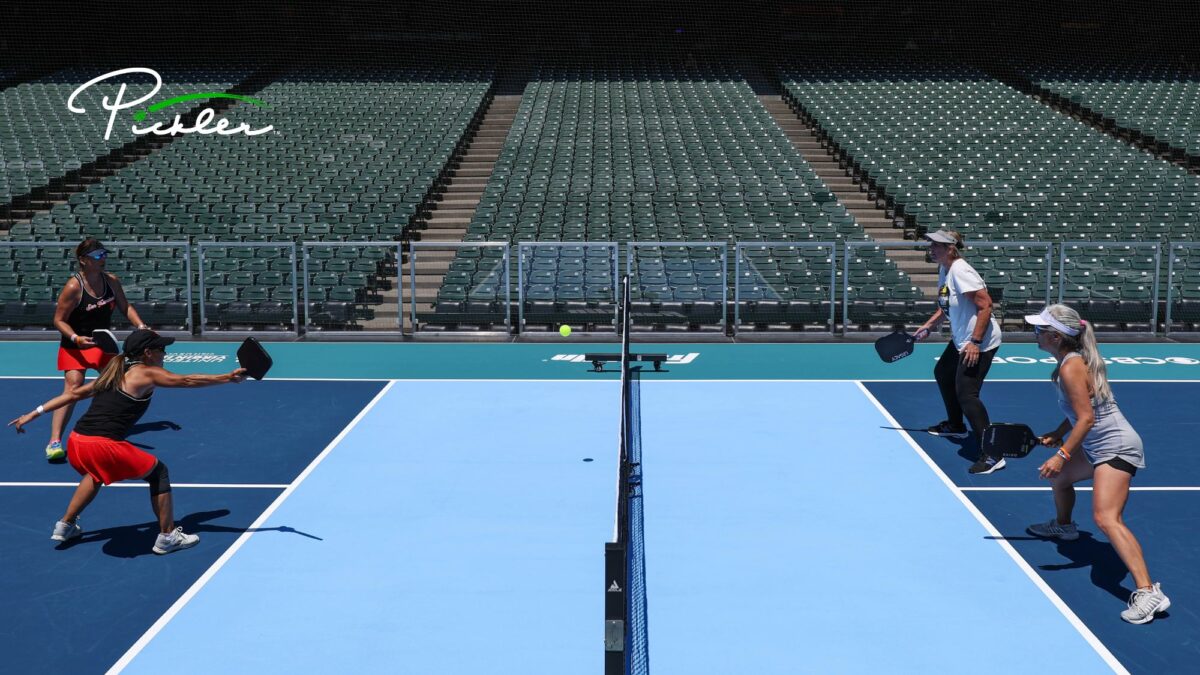
When your pickleball calendar includes all three, the game stays fresh, and burnout stays away.
3. Why Warming Up Matters for Mind and Body
Mental wellbeing starts with physical preparedness.
Most pickleball injuries are preventable, and many of them come from skipping the warm-up. A proper warm-up isn’t just about loosening muscles; it helps activate your brain, sharpen focus, and ease the transition into play. Even a ten-minute routine of dynamic movement, mobility work, and gradual hitting helps protect your body and builds confidence before the first point is played.
Warming up also signals a mental transition: you’re shifting from the rest of your day into intentional movement and play. That momentum matters. For a simple approach that prepares both your body and your brain, check out The Pickleball Warm-Up That Gets Your Body and Brain in the Game.
4. The Mental Health Power of Pickleball Community
Pickleball is better together.

Saying yes to open play, joining a league or ladder, or simply checking in on someone new creates stronger social bonds on the court. These small interactions build trust, belonging, and a culture of kindness, all things that matter far beyond pickleball.
Strong court communities don’t happen by accident. They’re built through consistency, inclusion, and players who understand that how we treat each other is just as important as how we play.
5. Celebrate the Small Wins: Measuring Progress Beyond the Scoreboard
Progress isn’t always measured on the scoreboard.
One new shot that finally clicks. One rally where you stayed patient. One session where you left feeling lighter than when you arrived. These moments add up.
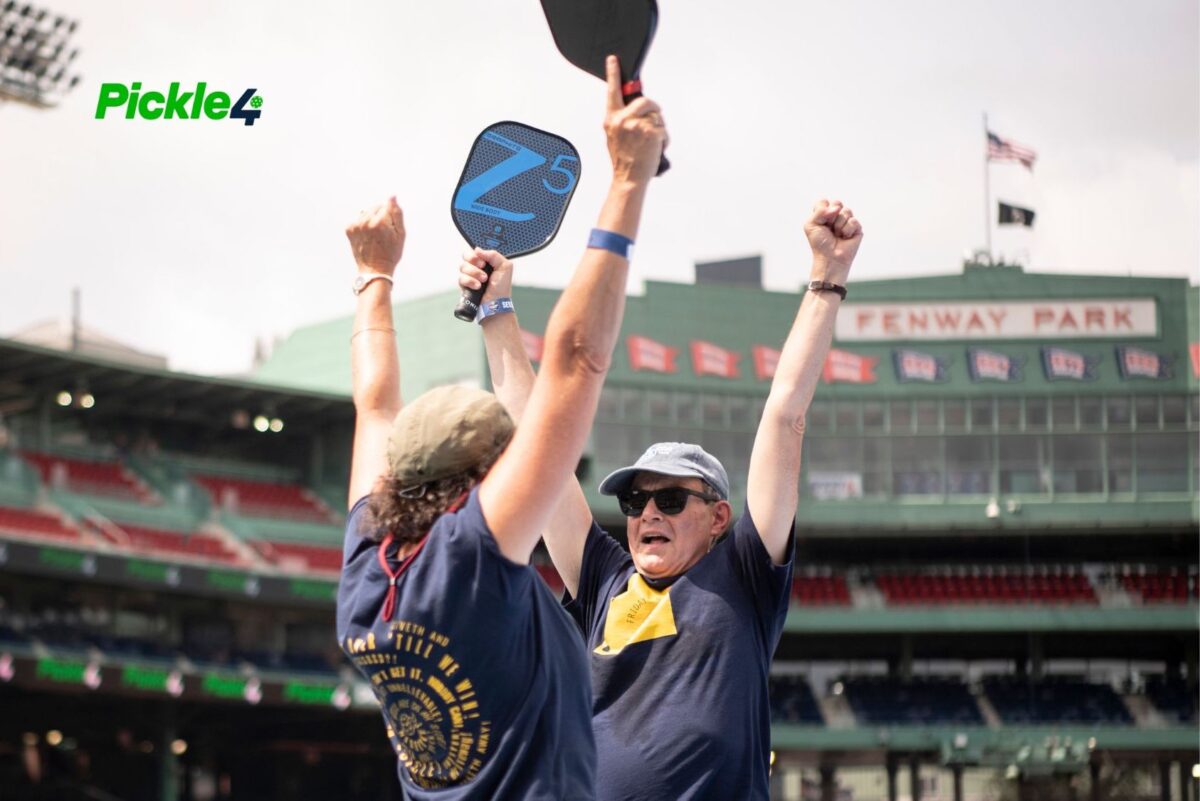
When you recognize small wins, you reinforce why you play in the first place. That mindset keeps pickleball enjoyable, motivating, and mentally rewarding, no matter your skill level.
Why Pickleball Supports Mental Wellbeing
Pickleball is more than a game. It’s movement, connection, routine, and growth, all rolled into one court.
When you approach it with intention, you don’t just play better. You feel better. And that’s a win worth showing up for again and again.