

A full court is a good sign. A full facility is even better. The challenge is making sure all those players have a good experience once they arrive.
As attendance grows, wait times can increase, skill levels can become harder to manage, and court rotations can get complicated. What started as a lively session can turn into an afternoon of waiting, confusion, and frustrated players.
So, how do you know when your open play has crossed that line? Here are three signs to watch for, along with a few ways to keep things running smoothly.
1. Players Spend More Time Waiting Than Playing
A little downtime between games is part of open play. However, if players finish a game and spend the next several rotations waiting to get back on the court, it may be time to reassess your setup.
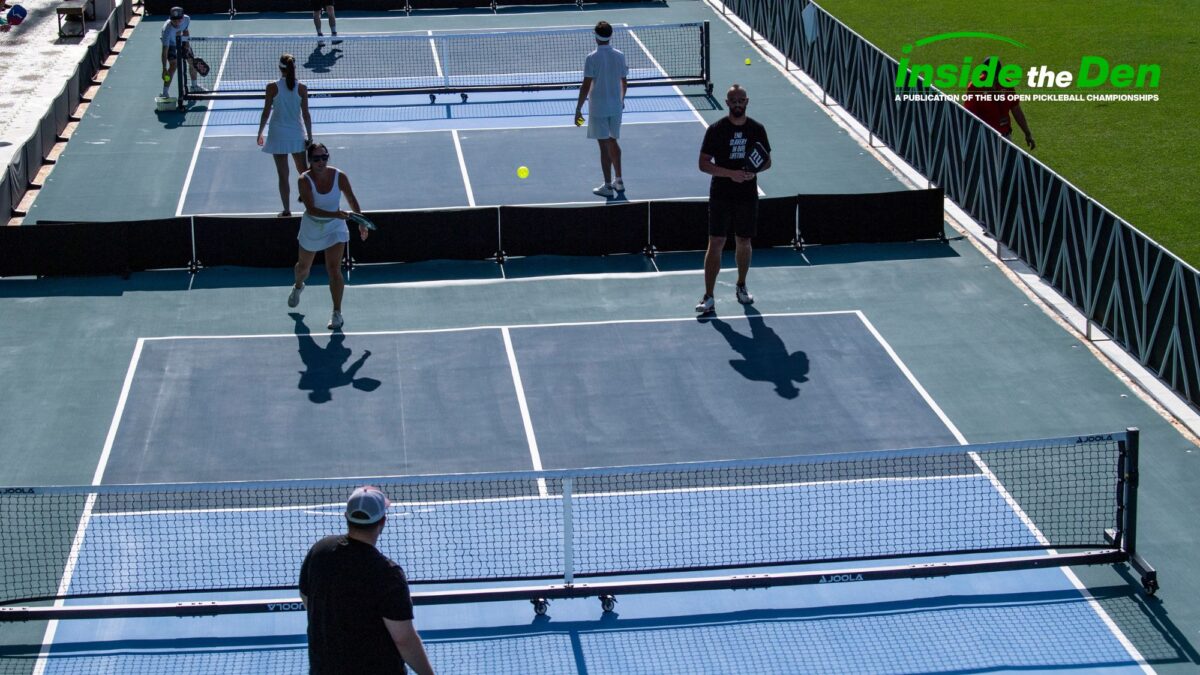
Pay attention to what happens between games. Are players crowding around the courts, trying to figure out whose turn it is? Are groups waiting several games for an opening? Are players cutting sessions short because they aren’t getting enough court time?
These are signs that demand may be outpacing your available courts.
What to try
Start with your player-to-court ratio. As a general guideline, aim for about six players per court. This gives players opportunities to rotate through games without putting too many people into the mix at once.
If attendance regularly exceeds that guideline, consider adding another session, opening more courts for open play, or using a waitlist to manage the number of players participating at one time. Tracking attendance and court usage over several sessions can help you determine whether your current capacity is working.
2. Players Struggle to Find the Right Games
Open play brings people together, often with a wide range of experience levels. While that variety can be one of its biggest strengths, it can also become a challenge when players have difficulty finding games that match their abilities.
Newer players may feel intimidated playing against experienced competitors, while advanced players may struggle to find the competitive games they’re looking for.

When the courts are full and everyone is trying to find a suitable game, the experience can become frustrating for players and difficult for staff to manage.
What to try
Consider whether your open play format makes it easy for players to find appropriate games. Depending on your club, you might offer skill-specific sessions, designate courts for different skill levels, or introduce a rotation system that helps players find compatible groups.
You don’t need to eliminate mixed-level play. The goal is to make sure players understand their options and can find games that meet their needs.
3. Attendance Is Up, but Player Satisfaction Is Down
High attendance can make an open play session look successful on paper. Player feedback helps you understand whether that success is translating into a positive athlete experience.
Pay attention to recurring complaints or changes in player attendance, and remember that your staff’s experience matters, too. If managing court assignments and resolving rotation disputes take up most of the session, your current format may need some attention.
What to try
Ask players for feedback and look for patterns. A quick survey can help you identify the biggest frustrations. You can also compare attendance and waitlist activity across different days and times to see where demand is highest.

Sometimes a small adjustment to the format or schedule can make a meaningful difference. The important thing is to look beyond how many people showed up and consider how well the session worked for them.
Keep Demand Manageable as Your Open Play Grows
If your open play consistently fills up, that’s a good problem to have. The next step is making sure your setup can support that demand.
Start by using six players per court as a general capacity guideline. Adjust as needed based on your format, session length, and how players move through games.
A waitlist can help you manage popular sessions without constantly monitoring cancellations and openings. With Pickleball Den, clubs can use an automated waitlist to manage withdrawals and help eligible players move into available spots. That makes it easier to maintain your intended capacity while allowing additional players to participate.
You can also use attendance trends to decide whether it’s time to add another session or adjust your schedule to accommodate demand.
A busy open play is a sign that your club is building momentum. With the right capacity, a clear rotation system, and a plan for managing attendance, you can keep that momentum going while giving players the experience that keeps them coming back.